Tari
The Tari Valley, in PNG's Southern Highlands Province, was only explored by Europeans as recently as the 1930s. Astonishingly, they found a fully-developed 'stone age' society and culture, numbering over 100,000 people. The very oldest residents of the town still remembered this 'first contact' with the outside world...
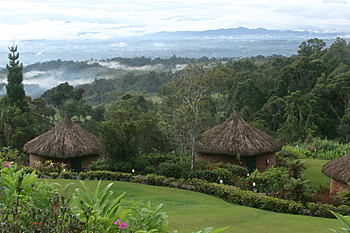
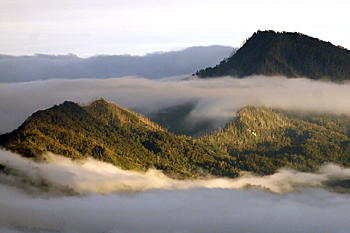
The town sits in the chilly, wet highlands, with the ramshackle buildings surrounded by superbly tended vegetable plots and even floated watercress beds, and beyond that, fantastic, bird-rich primary forest.
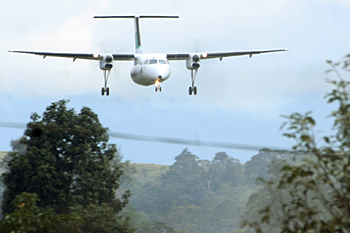
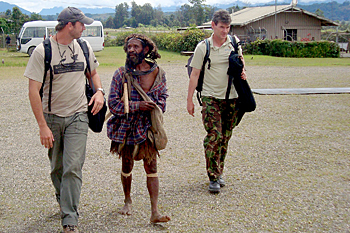
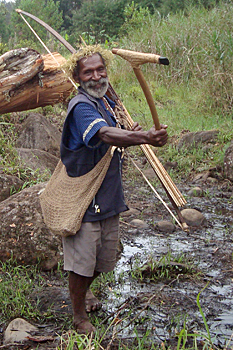
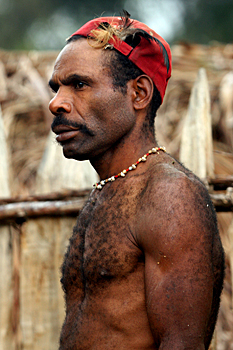
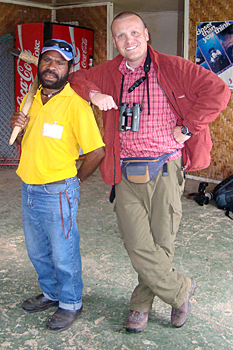
The only practical way to get to Tari is by air, so we took the ninety-minute flight in a smallish plane up from Port Moresby, arriving through a hole in the clouds late morning. Our arrival was an experience in itself - we felt like The Beatles! Hundreds of locals, many in traditional dress (cassowary plumes, BoP feathers, wigs, nasal piercings) thronged outside the airstrip fence, eagerly waiting to see who was arriving from Moresby. And they get almost daily flights!
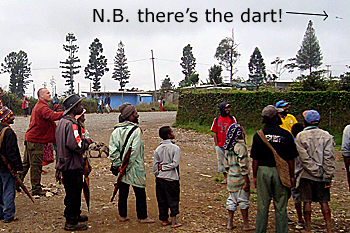
A local 'big man's' funeral was going on, and so the town was especially busy - massive pig BBQs, extra Huli wigmen and special finery - plus lots of roadside darts challenges (which Simon tried out) going on.
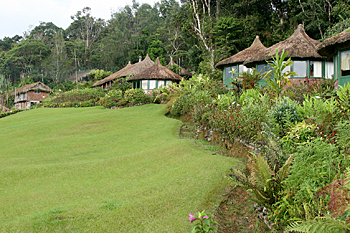
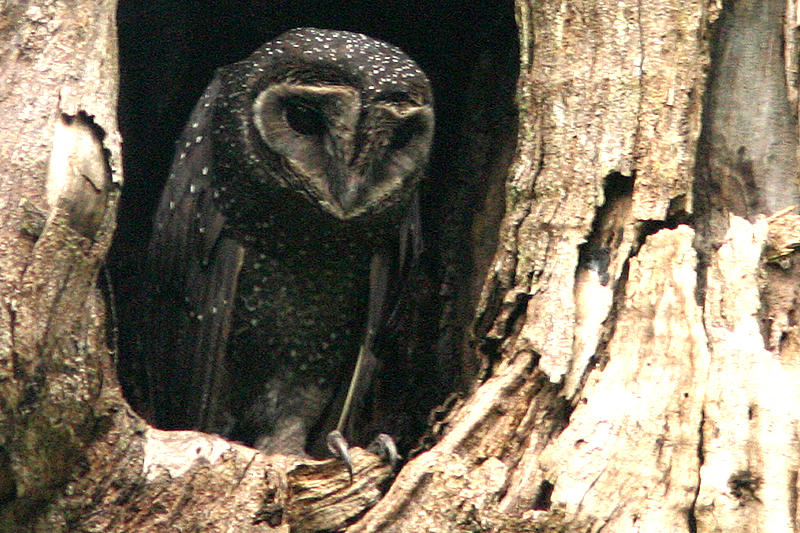
The amazing Ambua Lodge was only about an hour from town - an oasis of luxury perched high among manicured lawns and on the edge of the forest. Fantastic! Not so fantastic was Simon's health - a severe bout of the you-know-whats laid him low for about two days, limiting the birding somewhat - hence he dipped Sooty Owl and Lawe's Parotia (among others - but got most things back!).
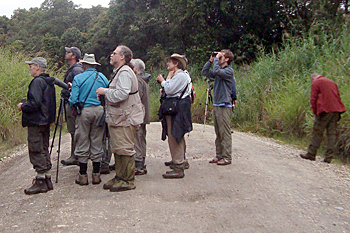
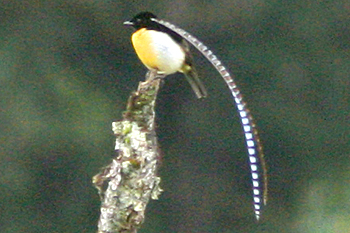
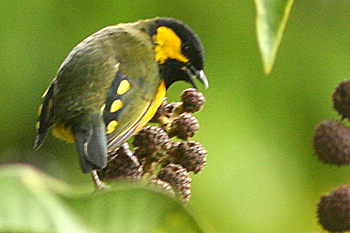
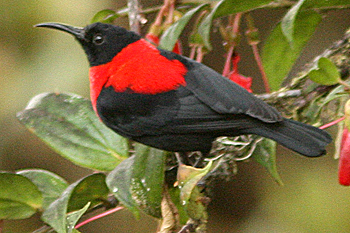
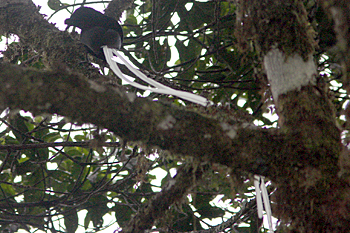
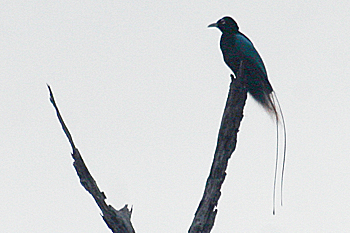
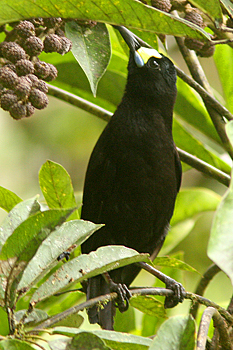
But there was stacks to see, mostly from the rough road up the hill towards Mount Hagen (12 hours' drive away!). We scored very heavily with BoPs at Tari - Stephanie's and Ribbon-tailed Astrapias, Short-tailed Paradigalla, King of Saxony (what a bird! Simon's no.2 of all time, only trumped by sum. plum. Black-throated Diver....), Blue and Superb BoPs, and Brown and Black Sicklebills. Wow.
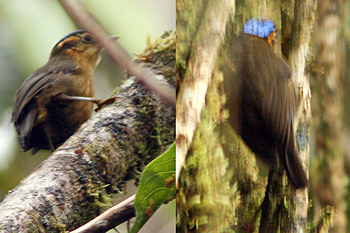
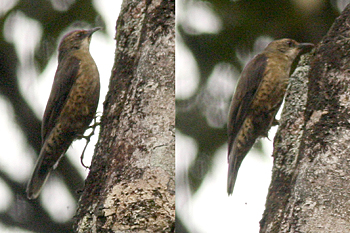
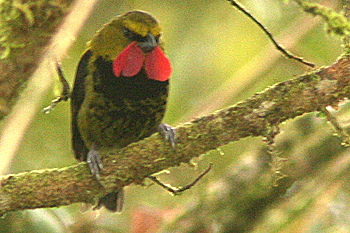
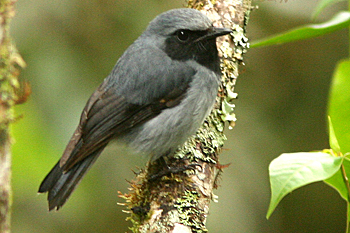
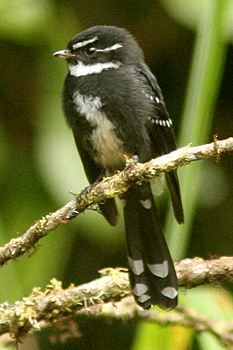
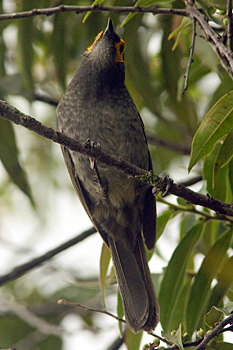
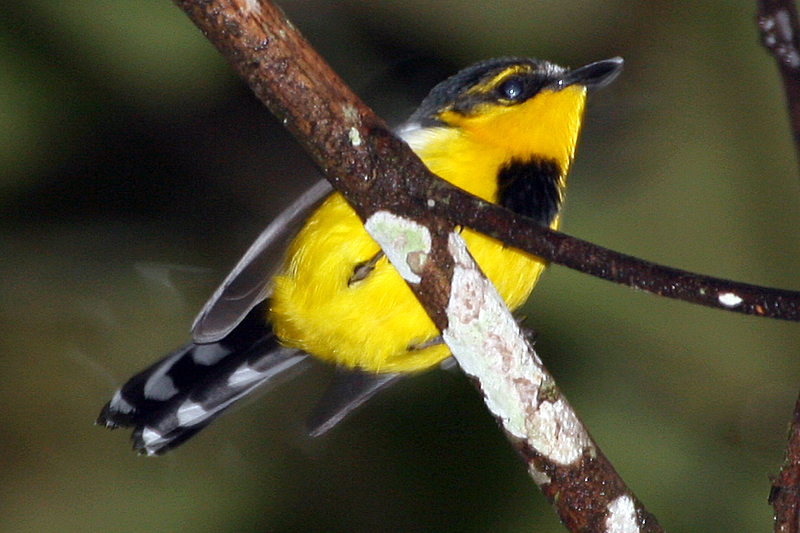
Also here were such megas as Wattled Ploughbill, Papuan Harrier, Papuan Treecreeper, Tit Berrypecker, Blue-capped Ifrit, Lesser Melampitta, Rufous-backed, Yellow-browed, Belford's and Common Smoky Honeyeaters, Loria's Satinbird, Black-throated, Blue-grey and White-winged Robins, Regent and Sclater's Whistlers, Friendly and Black Fantails, Red-collared Myzomela and Brehm's Tiger-parrot - to name but a small selection. Every single one of the birds in this paragraph is endemic - i.e. only found in New Guinea! Four of them are actually endemic families, and the Ifrit and the Ploughbill are the only members of their families!
While Simon remained tied to the lavatory, Julia and the others had an excellent 'cultural experience' (as they say) in a local village - in fact the one with the Sooty Owl This involved the whole village turning out to help everyone across very dubious bridges, swamps and muddy trails - and of course there were some commercial opportunities if you were a bow and arrow salesman!
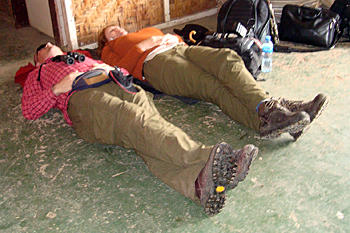
The weather at Tari was distinctly changeable - but hey: it's a rainforest after all! Some incredible birds at an incredible lodge. Departure was also 'interesting' - we were ushered into a cinder-block hut which doubled as 'departures', and had to make the best of it!