Yucatan, Mexico, December 2006
10th December
The alarm woke us at 0500, and within the hour we were off and away, and despite a diversion through darkest Surrey for roadworks on the M3, we got to Gatwick in good time, and after stuffing our faces as usual, the flight was ready for the off at 1045 as scheduled. Better still, we got upgraded to row 1 without even asking for it - which gave us comfy leather seats, lots of legroom and a deeply exciting goody bag of toothbrushes etc. Wow!
Surprisingly, we landed after almost 11 hours in a wet Cancun - a cold front has very unseasonally just passed through, and everything is a bit damp and squally! Nice and warm, mind you... Via a roost full of squawking Great-tailed Grackles outside the airport buildings, we picked up our hire car from Avis, and (inevitably) set off for Cancun centre in the dark and with driving rain..not easy! But we found our crash-out pad (Hotel Terracaribe, not far from the Cancun commercial centre) easily enough, and showered and ate yet more food, before turning in at something resembling a decent local time - we hope for a decent night's sleep.
11th December
For the first time in ages, our first night overseas was pretty good! True, we woke early, but no problems getting plenty of kip. After a breakfast watching the Cancun rush hour, we promptly joined it, and dashed as fast as possible (allowing for flooded pot-holes and speed bumps) out of town to the west, and joined the toll road, which was pretty much empty. This allowed us to stop with impunity - we found a most unexpected marsh either side of the road and spent a good half hour there, seeing plenty of typical species such as American Coot, Pied-billed Grebe and Least Grebe, Limpkin, Blue-winged Teal, Snail Kite and Northern Jacana. The first endemic (Yucatan Jay) fell, but sadly only for Simon, at the roadside, and there were lots of Turkey and Black Vultures and grackles over the road.
Our first Mayan ruin stop was Ek Balam, not far from Valladolid. The buildings were really exciting - but also very empty. No more than 10 people there! There were plenty of birds in the second growth forest (more like a garden, really) - Rose-breasted Grosbeak, Yellow-rumped Warbler, Palm Warbler and Magnolia Warbler, White-eyed Vireo, Hooded Oriole, Black-headed Saltator, Yellow-faced Grassquit, Vaux's Swift, Tropical Pewee, and Social Flycatcher, Brown-crested Flycatcher and Dusky-capped Flycatcher.
From here, we got ourselves pleasantly lost in Vallodolid, in the vain hunt for grocery provisions, but ended up giving up and heading for the Dzitnum cenote. We paid our pesos and descended into the rather eerie, bat and cave cricket infested cave - it was actually pretty cool - apart from the hassle from small boys wanting to take care of the car...
From here, it was on (through occasionally heavy rain - this is meant to be the dry season!) to Chichen Itza. Here we checked in to the very luxurious Mayaland Hotel (jacuzzi, two huge double beds etc etc), and after a late lunch during yet another heavy shower, we set off to bird the gardens.
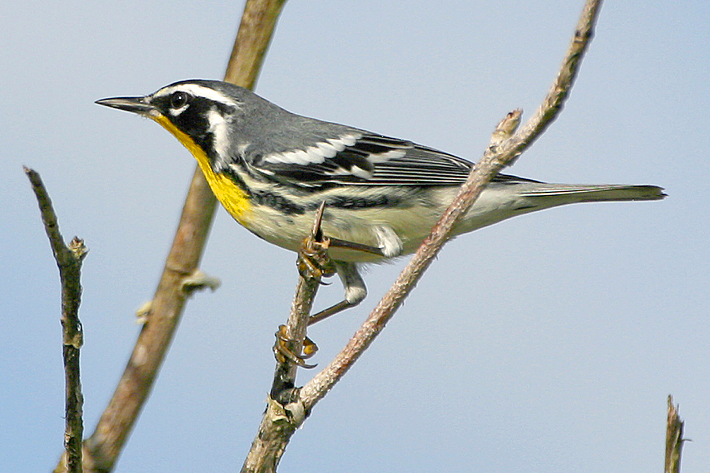
Plenty to see - Yellow-throated Warbler, Green Jay, Melodious Blackbird, Altamira Oriole and Hooded Oriole, Clay-coloured Robin. Then we followed our noses and ended up in the archaeological ruins, without actually buying a ticket! I guess they'd given up by four o'clock or so! In between admiring the (pretty stunning) ruins, we managed to see a good few birds - Masked Tityra, Summer Tanager and a (retrospectively identified) Ridgeway's Rough-winged Swallow.
The shock is that it gets dark not long after 1730! I think this must be a timezone issue - it will inevitably mean some early starts - starting tomorrow, I think.
12th December
With body clocks still pretty shot, we woke up well before dawn, and were out in the hotel gardens as it got light - and it was well worth it! Numerous passerines, especially migrants, were in evidence, notably Black-and-white Warbler, Northern Parula, Black-throated Green Warbler, Least Flycatcher, Blue-grey Gnatcatcher, White-eyed Vireo and Yellow-throated Vireo and stacks of icterids, including Baltimore Oriole, Black-cowled Oriole, Altamira Oriole and Hooded Oriole. Fantastic pre-breakfast stuff!
After a rather hurried but large breakfast, we trooped off into the famous Chichen Itza ruins, and thoroughly enjoyed the spectacle, largely before the large tour groups arrived. We were particularly taken by the ball court (this tickled Simon as it reminded him of another mysterious and virtually unknown ball game...) and the Hall of 1000 Columns, as well as the Observatorio and the Nunnery (so called!). Birds were a bit patchy - we did connect with Ovenbird, Blue-crowned Motmot, Squirrel Cuckoo, Philadelphia Vireo and lots of migrant warblers, including an especially crippling Black-and-white Warbler right over our heads! Fire ants attacked Julia...
It soon got pretty hot, so we retreated for a pre-lunch drink and shower before checking out, and then heading off on the fairly long drive to Celestun. We were a bit low on fuel towards Merida, but we did eventually find a Pemex station in small town off the highway - this has taught us to fill up whenever we can! Another serious issue is finding any food to go en route apart from biscuits and crisps - we are having a bit of a dietary nightmare except when we are in hotels...
We finally reached Celestun about an hour before dusk, and had brief views of various goodies without even trying - Caribbean Flamingo, Magnificent Frigatebird, Laughing Gull, Royal Tern, Willet, Black-necked Stilt, Roseate Spoonbill and the like! Lots of cripplers for tomorrow, I think....
The hotel we're staying in (Gutierrez) is right by the sea and a bit 'seaside damp', and there are various other items not terribly great about the room - it smells a bit bleachy (at least that makes it clean), and the fan flicks lubrication oil when spinning at speed! Oh well - we'll cope somehow. We did have a pretty good fish supper on the beach tonight, mind you.
13th December
After a reasonable night's sleep (all things considered), we met up with David Bacab and his driver (confusingly also David) at 0600, and hit the field.
We started at the bridge over the river, and quickly connected with all the big, flashy water birds, including Reddish Egret, White Ibis, Wood Stork, Caribbean Flamingo, Roseate Spoonbill etc., plus some good smaller birds including Rufous-necked Wood-rail, Green Jay, Mangrove Vireo, Orange Oriole (the rare endemic one!), Rufous-browed Peppershrike and various wood warblers.
We explored the mangrove boardwalk with rather little to show for it, then headed back to pick up some breakfast snacks. Munching en route, we headed north out of town and spent time among the coastal sand dunes and scrub. Quickly, we connected with all four of the local endemic species/forms - Yucatan Wren, Mexican Sheartail, Yucatan Bobwhite and White-lored Gnatcatcher (surely a likely future split). We also saw Canivet's Emerald really well, plus Plain Chachalaca, Savannah Sparrow, Least Flycatcher, Mangrove Swallow and still more orioles (including Orchard Oriole) and wood warblers. One could get blasé!
For the next couple of hours, as the day got hot (no rain today!), we trundled around various areas of coastal and brackish lagoons, concentrating mostly on waterbirds - both species of Pelican, lots of Laughing Gulls and a couple each of American Herring Gull and Ring-billed Gull, a good few waders (both Yellowlegs, Spotted Sandpiper, Western Sandpiper and Least Sandpiper, Sanderling, Turnstone, Grey Plover, Willet and so on) and more herons and egrets, plus stacks of Royal Tern, Caspian Tern, Sandwich Tern and Forster's Tern along the beach, even with a few Black Skimmers for good measure. In the bushes, we found Squirrel Cuckoo, more Yucatan Wrens and White-lored Gnatcatchers, plus a very smart pair of Mangrove Warblers - surely a split?!? Find of the day was actually an American Pipit on the beach strandline among the Horseshoe Crab carapaces - apparently a pretty rare bird in the Yucatan!
We ate lunch at a beach front café (more fish!), then hit the road back east, stopping at a few spots en route to explore the mangroves and patches of drier forest. We saw disappointingly few birds (just too hot), but we did connect with Grey-crowned Yellowthroat, and had another Yucatan Jay by the road. A long and mostly fruitless side track up a...er....side track finally came up trumps as the temperatures fell - Yucatan Woodpecker, Common Tody-flycatcher, Lesser Goldfinch, lots of Indigo Buntings and best of the lot, a totally crippling male Painted Bunting.
David dropped us back at the hotel as dusk gathered (which happens quickly round here!), and we said our goodbyes after a pretty hectic day in the field. We've missed a few things up this way (notably Lesser Roadrunner), but hopefully we can connect with most of them a bit further south...
We're both really tired, and we're not at all happy with the 'hotel' - it's pretty crappy, and to top it all, the hot water failed to work in time for us to have a shower before dinner...grrrrr.
14th December
We got up as early as ever, and were pretty pleased to leave - we were profoundly unimpressed with this hotel. The toilet broke this morning, and that really was the last straw!
We repeated the early morning birding of yesterday down at the bridge and mangroves, with much the same results, although we took lots more pictures, despite a somewhat glowering sky and even some light drizzle. The boardwalk at the springs 6km north of the bridge was rather busier - Yellow-tailed Oriole and Ivory-billed Woodcreeper were new here, and we also saw various wood warblers and a very smart Rose-throated Becard. Sadly, the side road after 30+km did not provide the hoped for Lesser Roadrunner, but we saw plenty of Painted Buntings and a good few other smaller birds. But essentially, we had exhausted the Celestun area, and it was time to move on.
We quickly drove south and stopped in Uman for a bank (which even changed sterling at a very competitive rate!), bakery and petrol (it's only 30p a litre here...), and then headed on south towards Uxmal. We arrived pretty much at the hottest part of the day, and decided to go for the ruins, since there were rather few birds in evidence. We quickly regretted wearing too many clothes, and suffered a bit in the humidity once inside! But it soon got a little cloudier (and hence cooler, if more humid - swing bowling conditions), and we acclimatised.
There were a few decent birds (Yellow-throated Vireo, Blue-crowned Motmot, Yellow-bellied Sapsucker and good numbers of Yucatan Jays stood out), but the ruins themselves were the undoubted highlight. Really fantastic - the site is more three-dimensional and more intricate than Chichen Itza. and the pyramids are bigger and steeper! We both loved it.
We checked a few bushes around the car park (a few migrant wood warblers and so on), and after an impromptu picnic lunch, we drove the 15km or so south to Santa Elena where we easily found the quite delightful Flycatcher Inn - just three B&B rooms (spotless and immaculate) in lovely gardens, with a network of rocky trails up through some secondary scrub behind the buildings. Once we'd settled in and taken a very welcome (first!) shower, we walked the trails, and saw a few bits and pieces - Least Flycatcher, Magnolia Warbler, Blue-grey Gnatcatcher, and (sadly for Simon only) a brief Black Catbird, a sought-after endemic.
Simon then drove into the village for a spot of shopping (bananas at last!) and to book an extra night at Palenque, and after another shower (we're going to make full use of these facilities..), we wandered over the road for a delicious, simple meal at the Chak Mol restaurant - recommended! They even had an unpretentious artisan stall in there, and we succumbed to an especially fierce-looking stone jaguar... (Xaggy the Xaguar, as he is now known)
15th December
We had a good night's sleep, but were aware of bucketing rain all night! It was still raining at dawn, so we had a lie-in, abandoned any thought of birding the garden trails again, and had a simply superb breakfast courtesy of Kristine (our American hostess) before hitting the road.
Our first stop was the Mayan site at Sayil, just a few kilometres down the road. It was still raining, but getting lighter, and we scored at once with a Turquoise-browed Motmot right by the car-park. Julia reckoned this was her number one target species. Good! We persevered for about an hour around these very low-key, only semi-excavated ruins - very Indiana Jones.... The Temple of The Hieroglyphic Enjambments (really) was cool, as was a very rude stele of a fertility god, Yum. Birds were thin on the ground in the wet weather, but we did connect with lots of Yucatan Jays, plus Blue Bunting, various wood warblers and White-lored Parrot - plus more fire ants!
Shortly after 1000, it was time to hit the road seriously - we had a long drive ahead of us. We scorched south, then west to the coast at Champoton (stacks of pelicans, terns, gulls etc along the seafront, plus a Reddish Egret), then south again to Escarcega, the south-west to Palenque, via extensive farmed savannah/marshy areas, full of egrets, with Glossy Ibis, Crested Caracara, Black-bellied Whistling-duck and the like from the car. Despite some heavy duty roadworks and a few awkward lorries, we made the 300 mile trip in just on six hours, which we reckoned was pretty good going, judging by what we'd been told by Kristine and David before her. And it wasn't too much like hard work!
We arrived at the somewhat palatial and very comfy Chan Kah resort well before dusk, and after settling in to our bungalow, we took a walk in the gardens - with good results! Olive-backed Euphonia, Brown Jay and Spot-breasted Wren were the neotropical newcomers, and on the migrant front we found ourselves Wood Thrush, Grey Catbird and Wilson's Warbler, in addition to the 'usual' Summer Tanager, Magnolia Warblers and American Redstarts.
16th December
After yet another rainy night, we woke to a humid but not rainy morning. Things started a bit slowly, but we did find yet more new migrant species around the hotel today - Yellow-breasted Chat, Kentucky Warbler and Hooded Warbler - plus Ovenbird, many White-collared Swifts, another Grey Catbird, Montezuma Oropendola, Green-backed Sparrow and Green Kingfisher.
Best of all first thing was the distant sound of Howler Monkeys - but it got better on that front later on! After a Black-headed Trogon right by the restaurant, we ate a quick breakfast, and then headed up to the famous ruins, which were every bit as great as we'd been led to believe, perched among lush forest in the foothills of the Chiapas mountains. We mixed up cultural tourism with birding, and wandered round all the pyramids and temples, and took in Louisiana Waterthrush and various passerines among the ruins. We then headed up the steep trail behind the Temple of the Inscriptions, and saw a few more nice forest species - Blue-black Grosbeak, Chestnut-coloured Woodpecker, Red-crowned Ant-tanager, Sulphur-rumped Flycatcher, Golden-crowned Warbler, Yellow-olive Flycatcher, and best of all, at least three troops of Yucatan Howler Monkeys (black ones) - howling away madly well into the morning.
Other mammals today included Central American Agouti, Grey Fox and Yucatan Grey Squirrel, and on the herp front we saw Green Iguana (including a massive bright orange one!) and Polymorphic Rain Frog - honestly!
We took a well-earned long lunchbreak back at our room (Simon braved the local supermarket - a kilo of tortillas for 30p!), and then headed back up to the ruins for the late afternoon. There, we added Collared Aracari, Violaceous Trogon, Blue-black Grassquit and saw a few other bits and pieces, and back down the hill, several Lesser Nighthawks cruising about over the car-park.
After a light tea in our room (we're a bit sick of restaurant meals!), we watched a rather cheesy but quite interesting Time Life DVD all about the Maya - all blood and guts for sweet dreams tonight...
17th December
Actually, we slept heavily and happily. At dawn, we drove up to the Museum car-park, and slowly birded the road up to the ruins entrance - not a lot doing - but decent views of Montezuma Oropendola, Keel-billed Toucan, Laughing Falcon and Scarlet-rumped Tanager. The whole of this was accompanied by the distant but insistent sound not of Howler Monkeys but of tossers' dance music at some 'hairy student backpacker rave' or other. I'm getting too old for that kind of nonsense!
We spent a good couple of hours birding the trail leading off into the forest just before the entrance gate - the woods were simply full of collapsed and totally unexcavated Maya ruins. Highlights here included Worm-eating Warbler (a much desired and hoped-for species), Common Yellowthroat (in pretty odd habitat), quite a few Red-throated Ant-tanagers, three kinds of Woodcreeper, White-breasted Wood-wren, Swainson's Thrush (and several Wood Thrushes), Grey-chested Dove and a brief Mexican Antthrush. This was quite a respectable haul - we felt a bit less disappointed about the contents of the Palenque forests!
Entry to the ruins was free today (Sunday), and we enjoyed another stroll around the amazing buildings - and saw a few birds too! Four Bat Falcons were new, as were Long-tailed Hermit and a smart 1st-winter Chestnut-sided Warbler - we also saw a few other bits and bobs, such as Olive-backed Euphonia and Masked Tityra.
By now it was getting hot, so we descended by the steps and the waterfall to the museum, had a half hour gawping at some very fine Mayan artefacts, and then drove down to Palenque for a spot more shopping, before crashing out for an hour or two back at the hotel - Simon even had a brief nap!
After a swim (we are virtually the only guests staying here!) and a juvenile Roadside Hawk in the garden, we cruised back up to the ruins road, and explored the Cascada trail on the hairpin - notwithstanding sightings of two nude hippies in the waterfall, it was still quite good. Howler Monkeys were calling in the dusk air, and a we recorded a couple of new species - Crimson-collared Tanager and White-throated Thrush.
So that was that - a pretty relaxed day, really, and one that we enjoyed a great deal! It's important to remember that these trips are holidays, and not simply paramilitary clear-up operations....repeat until convinced.
18th December
Following our own instructions, we took a bit of a lie-in and didn't get up until (gasp) 0600. We still had plenty of time to take a look around the hotel grounds either side of breakfast - and we even found a fruiting tree which held lots of birds, including Black-headed Trogon, Blue-grey Tanager and Golden-winged Tanager, Hooded Warbler and so on. We also found another Ovenbird and Grey Catbird. Saying our farewells to a thoroughly lovely place to stay, we checked out after breakfast and hit the road for the c. 5 hour drive to Xpujil (pronounced 'Eshpuhil'), our base for Calakmul.
We went via the Chiapas marshes & savannahs along the main road - few places to stop, but Eastern Meadowlark, Glossy Ibis, Wood Stork, two Bare-throated Tiger-herons (one very photogenic), Black-crowned Night Heron, White-tailed Hawk, Osprey, Mangrove Swallow and so on. All good stuff! The other side of Escarcegas, it got hot and less birdy, but we still saw a few bits and pieces - the best of which was a very obliging Laughing Falcon right by the road.
We finally arrived at our base, Rio Bec Dreams - a simply fabulous little place just off the main road about 25 minutes east of the Calakmul turn-off. We settled in to our delightful little jungle hut, made friends with Tully the terrier, and had a picnic lunch. A friendly note from the owners set us up for later on...
...and at 1615 we met up with Mimi the housekeeper, who was to guide us to the bat cenote. It was a roughly 40km drive back west, and we stopped by an unprepossessing track off north between 107km and 106km. A brief walk up the hill, and there we were by the cenote, with a young Hook-billed Kite in attendance. After some 20 minutes wait, at about 1710, in a sudden rush, god knows how many Broad-eared Free-tailed Bats poured out of the cave mouth - an unbelievable tornado de murcielagos! The whirr of wings, the stench of bat guano, and numerous sonar-scrambled bats crashing into trees, the ground and us made for an absolutely amazing experience. Astonishing - at least as good as I had hoped for! [Estimates place the population of this roost at somewhere near, or possibly well above, one million....]
We drove home happy in the dark, and then banked a trip to Xpujil to fill up the car with petrol - we do not want to be stranded somewhere in the jungle with an empty tank!
Dinner was superb - mushroom bolognese and chilled chocolate cake by candelight with the chirp (and physical presence!) of crickets and cicadas. This is the life...
19th December
Today was completely devoted to one site - Calakmul, the largest and among the most important of all the Maya sites in Mexico. Only Tikal, across the border in Guatemala, comes close in terms of size and prestige. And yet Calakmul is quite hard to get to - 60km south of the 'main' (actually quite remote) highway, along a fairly narrow, jungle-fringed road. So rather few people go there - great! And it's right in the heart of a Jungle Biosphere Reserve - even better!
The downside is that the drive from the highway takes about an hour, so you have to start early. We left Rio Bec Dreams a little after 0600, and managed to get through the barrier (officially open from 0700) about 0645. Very quickly we scored with our first tick of the day - the highly desirable and highly endemic Ocellated Turkey. The great advantage of being the first people down the road was that we saw over 50 of them on the journey in alone!
A couple of quick stops en route produced Wedge-tailed Sabrewing, a massive and impressive Pale-billed Wodpecker, Aztec Parakeet, Collared Aracari and Keel-billed Toucan. But just before 0800, we were at the gates and ready to go into the ruins.
They did not disappoint, either architecturally or as a birding site. The huge Structure II pyramid was particularly astonishing - although the views from VII and XIII were even better, taking in as they did both pyramids I and II. Getting a bit technical there - it was absolutely awesome - the ruins only recently hewn out of the jungle, and truly immense, with virtually no-one there. 32 visitors signed in all day - we saw about six of them!
Birdwise, it was very good indeed. We had lots and lots of migrants - new ones were Blue-winged Warbler and Ruby-throated Hummingbird, plus 'seconds' in the form of Worm-eating Warbler and Philadelphia Vireo. Also in the forests were such goodies as Eye-ringed Flatbill, White-bellied Wren, Sepia-capped Flycatcher and Great Crested Flycatcher, Lesser Greenlet, and Golden-olive Woodpecker and Smoky Brown Woodpecker.
Also, we were treated to some smart mammals - notably Yucatan Howler Monkey and Central American Spider Monkey, plus Agouti and (for Julia only...grrrr) brief views of a medium/large spotted cat stalking the Turkeys - cool identification consideration points very strongly to it being an Ocelot. Too big for Margay, and too small for the big one (Jaguar)!
On the long drive out at dusk, we saw various bits and bobs on the road (snakes, spiders, bugs, frogs), plus brief views (Simon only!) of Thicket Tinamou, and Great Tinamous calling. But the highlight was a juvenile Great Curassow flushed off the road and then viewed in the canopy as the light failed - brilliant!
So this was a very long and pretty arduous day out - but worth every moment of sweat and effort. And we were treated to a massive veggie curry on our return as well - who could ask for more?
20th December
Up at 0600 (late start) and out into the garden, where we scored with a lifer - Bright-rumped Attila! Also about were Hooded Oriole and Baltimore Oriole, Yucatan Jays, and various others. We had a leisurely breakfast with the other guests and Tully the terrier, and then hit the road.
The highway was good the whole way - Quintana Roo has clearly invested some cash in infrastructure! Few birds of note en route - apart from a few White-tailed Hawks.
We stopped at Felipe Carrillo Puerto, mostly as a recce for tomorrow, but we spent a couple of hours exploring the forest track north-east of town, following a torrential downpour or two! There were stacks of Plain Chachalacas, a single Ocellated Turkey, various warblers and vireos, and three real goodies - the endemic Rose-throated Tanager (sadly only a female!), several Tropical Gnatcatchers and a Long-billed Gnatwren. A Ferruginous Pygmy-owl answered Simon's whistled impersonation, even if not a lot of passerines were fooled!
Then it was the final 100km burst to Tulum, achieved in under an hour. Our hotel, El Crucero, was mediocre, and clearly catered for the 'travelling student' crowd. We hummed and hahed but took the room, and headed off to change money and go to the beach for sunset (although the beach faces east, this being the Caribbean!). There, along with lovely evening light, we also saw some dozen or so Magnificent Frigatebirds, about 20 Royal Terns, and maybe 10 Brown Pelicans, all at point blank range, hanging about near the bait fishermen. Superb.
Back at the ranch as night fell, and there was (a) no hot water and (b) two workmen hammering a roof outside our back window. This was too much! When informed that these guys weren't going to finish until after 2200, and when asked by the hotel owner 'don't you have earplugs?', Simon bristled significantly, and she backed down and agreed we ought to reclaim our deposit and take a room at the hotel over the road, which isn't great but is at least bearable and seems fairly quiet - and the water is hot....at least once you've fiddled with the boiler outside the room!
We rounded off the day with a very hot Mexican meal (of fish), and bought ourselves a rug thingy and had a look at some jade jewellery - normal tourism for once!
21st December
A prompt and early start, and then a fifty minute drive south again to Felipe Carrillo Puerto, whose forests (we felt) deserved a second look. They did! In about three hours of birding along the recommended track (the same as yesterday), we turned up several new species - Yucatan Flycatcher, White-browed Wren, Grey-throated Chat, Ruddy Woodcreeper, Buff-bellied Hummingbird, Olive Sparrow, Ladder-backed Woodpecker, and even a Little Tinamou briefly on the road. The harmony quotient of our life lists took a bit of a hit, however - Simon didn't see the woodcreeper or the chat! Grrrr...
But there were plenty of other good birds to see in the woods - Black-headed Trogon, Ruby-throated Hummingbird, Tropical Gnatcatcher, Olivaceous Woodcreeper, Long-billed Gnatwren, Rose-throated Tanager (including a superb male) and Green-backed Sparrow, plus all the usual migrant suspects, including Ovenbird and Grey Catbird.
Once the heat had built up, we unwisely tried a non-genned side trip to Laguna Ucun, about 10km south of FCP and ten a very bumpy 8km west. It was virtually birdless - just a Little Blue Heron, a few Kingbirds, Indigo Buntings, Blue-black Grassquits and Altamira Orioles to play with. Dull! [Although we did retrospectively (from photos) identify some naff finches as White-collared Seedeaters - a lifer! We saw them later on anyway....]
So with the afternoon underway, we returned to Tulum, where we dozed and did some business, including rearranging our Cozumel and hotel arrangements for the last day or two. Julia isn't 100% in the health department, and we want to be risk free!
Having failed to get a phone number for them, we took the short drive up to Coba this evening, just to confirm our booking there for our last two nights. All OK! So not the world's most birdy diary entry, but feel the quality this morning!
22nd December
Up and at 'em once more, and off in the car by 0600, heading for Playa del Carmen and the endemic hotspot of Isla Cozumel. We aimed for the expected 0700 ferry, but found there wasn't one until 0800, so we had to sit and munch breakfast - and tick off Collared Dove!
The crossing took about 35 minutes and was punctuated only by a sighting of Flying Fish half a league off the for'ard port quarter (ah-har...shiver me tripod). Once on Cozumel, we arranged a hire car within minutes, and whizzed off in search of island endemics - with somewhat mixed success.
Stops by the ruins road, the marine pools at the far end of the cross-island road, the country club and the sewage works produced vicious and very large mosquitoes, three Cozumel Vireos (and a Yucatan Vireo), numerous Black Catbirds, Least Grebe, (Cozumel) Yellow Warbler, (Cozumel) Blue-grey Gnatcatcher and lots of Mockingbirds, but very little else. Clearly, Hurricane Wilma did a really good job on a great deal of Cozumel's vegetation, and bird populations are currently at a very low ebb - this assessment includes migrant passerines, of which we saw but a handful.
Despite much searching, we failed to find Cozumel Wren, and struggled for most of the day before finally seeing a single Cozumel Emerald (only briefly!). The Cozumel Thrasher, critically endangered by repeated hurricane striks and the release of boa constrictors on the island, has thankfully survived Wilma - we met a local guide and birder who told us that they have been seen, but he did not divulge details and we did not press him! Not that we had time in any event...
Cozumel as a whole was something of a conundrum. We had planned to spend two nights there, but we are glad we changed our minds - the environment is dominated by dead trees covered in creepers, dead mangroves with just a few signs of regrowth, and very few birds indeed. Wildlife-wise, the only upside to the devastation appears to be a massive population of butterflies of numerous species - far more than on the mainland. Is this because of a lack of predators, or are they exploiting early successional flowering plants as nectar sources?
On the human front, Cozumel, and especially the only town, is a tourist trap par excellence - it caters for up to three huge cruise liners per day and is overrun by vast numbers of grockles. We did our bit for the local economy (T-shirts, coffee mug etc.), and then reboarded the ferry home, crossing the water to the accompaniment of the most amazing backlit cumulonimboid sunset, complete with Venus and new moon.
We drove south to Tulum and inland to Coba in darkness, annoyingly limited to 80km/h most of the way by a tourist police escort! But we finally reached the ClubMed hotel at Coba by about 2000, checked in, ate and fell asleep - this was a long day!
23rd December
Guess what? Up at dawn, and out into a rather misty and murky morning for an hour's walk around the lake right beside the hotel. We were rewarded with numerous showy Limpkins, some Pied-billed Grebe and Least Grebe, Great Blue Heron, Anhinga, Belted Kingfisher, Killdeer, White-collared Seedeater, Common Yellowthroat, Palm Warbler, Yellow-rumped Warbler and Yellow-throated Warbler, and best of all an adult Spotted Rail with two downy young.
After a fat breakfast, we trogged off into the ruins, with several hundred day-trippers from Cancun. Sadly, we never quite shook them off, and to be honest we were by now a bit 'ruined out', but we enjoyed the buildings in their forest setting, and saw a few nice birds - Grey Catbird and Black Catbird, Red-crowned Ant-tanager, two 'acclimated' Ocellated Turkeys and (top banana) a Northern Bentbill, our 250th bird for the trip. We also experienced a pretty immense (if short-lived) tropical downpour, albeit from the shelter of a thatch-roofed hut - rivers of mud and roaring trees.
Then back for a slouch-fest over lunchtime back in the hotel (in our room and around the pool). When the good afternoon light came along, around 1600 or so, we went for a bit of a birding drive around the lake - approachable birds included plenty of Limpkins, plus Northern Jacana, Yellow-throated Warbler and various icterids.
We tried the stretch of road between Coba and the main highway for nightjars after dark, but without any sign of them - apart from Julia hearing a distant Northern Potoo. Mainly, we just got bitten!
24th December
The last day - and not a lot of time for birding. We took a stroll around the lake once more just after dawn, with much the same birds, with the exception of male Indigo Bunting and Blue Grosbeak.
Finally refuelled and packed up, we sped off to Tulum once more, and visited the ruins - the most appallingly nasty tourist trap of all time outside the gates, but pleasant enough (if not very spectacular) inside. Not many birds (very hot today), but we did see Rufous-browed Peppershrike, a few Yellow-throated Warblers and orioles.
Next, it was off to Cancun - the ultimate Mexican concrete nightmare. Nasty beyond belief - unless you've been to Torremolinos. But we headed bravely into the Zona Hotelera (much more scary than the Calakmul or any other natural jungle), hacked a path through the bronzing bodies, and found a seafood restaurant for lunch and spot of last minute tern/gull/pelican watching. Sadly, we simply couldn't find any Sooty or Bridled Terns in the throng - it really does appear that they are absent (as the book suggests they ought to be!) in the winter.
Finally, with the sun hot and a stiff sea breeze, we drove south again to the airport, checked our car back with Avis (hassle-free) and boarded our 1730 flight back home to Gatwick. The flight was OK - the only downside was over-cheerful cabin crew trying to convince exhausted passengers to take part in daft Christmas 'fun'. Bah, humbug.....
[25/12 Postscript: the biggest transport problem of the trip occurred 2 miles from the Gatwick car park - the car's electrics had got damp and the car simply stopped. This on Christmas morning! Luckily, the RAC were superb, and within 25 minutes, we were on our way again. This was presumably our Golf's way of punishing us for trading her in, a transaction due to happen on the day after Boxing Day....thanks, Froggie!]
[Great Tinamou] | Heard only at Calakmul |
Little Tinamou | One seen on the track and others heard at Felipe Carrillo Puerto |
Thicket Tinamou | One disturbed underfoot at Chichen Itza, and another briefly on the road out of Calakmul |
Least Grebe | Two by the Cancun-Chichen Itza highway, one on Cozumel, and 2 at Coba |
Pied-billed Grebe | Three by the Cancun-Chichen Itza highway, one near Chetumal and up to 20 at Coba |
American White Pelican | Many dozens at Celestun, and about 50 at Champoton |
Brown Pelican | Hundreds at Celestun, and small numbers around Cozumel and Cancun |
Double-crested Cormorant | 100+ at Celestun, 20 at Tulum, and a few at Cozumel and Cancun |
Neotropic Cormorant | Three at Celestun and another at Palenque |
American Anhinga | One at the lake at Coba |
Magnificent Frigatebird | Scores at Celestun, and lower numbers (interestingly mostly males) at Tulum, Cozumel and Cancun |
Great Blue Heron | Small numbers at the wetland sites throughout |
Great White Egret | The commonest heron, with hundreds at Celestun and the Chiapas swamps, and many more elsewhere |
Reddish Egret | Four sightings on the Gulf Coast from Celestun southwards |
Tricolored Heron | 20+ at Celestun, 2 in the Chiapas swamps and one on Cozumel |
Little Blue Heron | One by the Cancun-Chichen Itza highway, then present in small numbers at Celestun and other wetland sites |
Snowy Egret | Common at Celestun, and then others dotted about throughout |
Cattle Egret | Common wherever livestock were present |
Green Heron | Four at Celestun, one near Champoton, and then 2+ at Coba |
Black-crowned Night-Heron | Seven roosting in trees by the big road bridge in the Chiapas swamps |
Yellow-crowned Night-Heron | Five at Celestun |
Bare-throated Tiger-Heron | One flushed and another posing magnificently at the roadside in the Chiapas swamps |
Wood Stork | Present in small numbers at Celestun and the Chiapas swamps |
White Ibis | About 20 noted at Celestun - most were far from white, the best views being at the town rubbish dump! |
Glossy Ibis | About 100 seen from the car in the Chiapas swamps |
Roseate Spoonbill | About 10 at Celestun |
Caribbean Flamingo | 150+ seen at Celestun |
Black-bellied Whistling-Duck | 50+ in the Chiapas swamps |
Blue-winged Teal | 10 by the Cancun-Chichen Itza highway, about 15 at Celestun, and 5 in the Chiapas swamps |
Black Vulture | Common throughout |
Turkey Vulture | Common throughout |
Lesser Yellow-headed Vulture | Probably some overlooked as Turkey Vultures, but certainly 11 noted, mostly at Celestun |
Osprey | Twelve sightings at various wetland sites |
Hook-billed Kite | One attending the bat roost at a cenote near Calakmul |
White-tailed Kite | Two noted in the northern Yucatan while travelling |
Snail Kite | A juvenile showed very well at the swamp by the Cancun-Chichen Itza highway |
Common Black-Hawk | Three at Celestun |
Roadside Hawk | 20+ noted at a variety of sites |
White-tailed Hawk | One near Chichen Itza, 2 over the Chiapas swamps, and 3 near Chetumal |
Crested Caracara | Six noted in the southern Yucatan |
Laughing Falcon | Two at Palenque, one showing superbly near Calakmul, and another heard at Calakmul itself |
American Kestrel | One male on Cozumel |
Merlin | One hunting at Celestun |
Bat Falcon | Four perched on the ruins at Palenque, and another at Coba |
Plain Chachalaca | Noted commonly at various wooded sites, max. 30+ at Felipe Carrillo Puerto |
Great Curassow | At the very dying of the light, a superb juvenile flushed from the road out of Calakmul and afforded good views in the treetops overhead |
Ocellated Turkey | 60+ recorded at and near Calakmul, including some huge and absolutely magnificent males. Another was at Felipe Carrillo Puerto and finally two more (suspiciously tame birds) were at Coba ruins |
Black-throated (=Yucatan) Bobwhite | Two coveys totalling about 30 birds were seen on the road north of Celestun |
Limpkin | Four by the Cancun-Chichen Itza highway, two in the Chiapas swamps, and then at least 10 showing fantastically well at Coba lake |
Rufous-necked Wood-Rail | Five at Celestun in the mangrove swamps |
Grey-necked Wood-Rail | One a Celestun and then one bizarrely running along the track with wings extended at Sayil ruins |
Spotted Rail | A real highlight was a very showy adult with two downy young at Coba lake |
Common Moorhen | Maintaining our record of having seen this species on every single foreign trip we have ever done, Five by the Cancun-Chichen Itza highway and a further two on Cozumel |
American Coot | 50 by the Cancun-Chichen Itza highway, 50 on Cozumel, and a further three singles elsewhere |
Northern Jacana | Ten noted on six dates, max 4 on Cozumel |
Black-necked Stilt | 100+ at Celestun, 50+on Cozumel, and a further 11 noted elsewhere |
Grey Plover | 10 at Celestun |
Semipalmated Plover | Two at Celestun |
Killdeer | One at dawn at Coba lake |
Greater Yellowlegs | Five at Celestun |
Lesser Yellowlegs | Two at Celestun |
Spotted Sandpiper | Eight noted on four dates |
Willet | 20 at Celestun |
Ruddy Turnstone | Present in small numbers at all coastal sites |
Sanderling | 20 at Celestun and 30 at Tulum |
Western Sandpiper | 10 at Celestun |
Least Sandpiper | Four at Celestun |
Ring-billed Gull | Two (an adult and a second-winter) at Celestun |
American Herring Gull | One 1st winter at Celestun |
Laughing Gull | Numerous at coastal sites (700+ at Celestun) and a very few inland |
Caspian Tern | 70+ at Celestun and one at Playa del Carmen |
Sandwich Tern | 500+ at Celestun and about 10 at Cancun |
Royal Tern | 100+ at Celestun, 20 at Tulum, 20 on Cozumel and 5 at Cancun |
Common Tern | One (an apparent 1st winter) fishing in Cozumel harbour |
Forster's Tern | Ten at Celestun |
Black Skimmer | Eight at Celestun |
Rock (=Feral) Pigeon | Frequently encountered |
Pale-vented Pigeon | A very few at Calakmul |
Red-billed Pigeon | Five by the Cancun-Chichen Itza highway |
Eurasian Collared-Dove | One at Playa del Carmen - a recently established species |
White-winged Dove | About forty noted at scattered sites |
Common Ground-Dove | Noted in variable numbers on most days |
Ruddy Ground-Dove | Just a few seen, mostly at Celestun, Palenque and on Cozumel |
White-tipped Dove | Singles at Chichen Itza and Uxmal, and 5 at Palenque |
Grey-chested Dove | At least one at Palenque, and two more probables at Felipe Carrillo Puerto |
Aztec Parakeet | 52 noted on nine days |
White-crowned Parrot | 2+ at Palenque |
White-fronted Parrot | 2+ at Sayil - numerous other parrots were seen in flight, but none could be positively identified |
Squirrel Cuckoo | Nine noted on seven dates |
Groove-billed Ani | Frequent in coastal areas, and in the Chiapas swamps |
Ferruginous Pygmy-Owl | One heard calling at Felipe Carrillo Puerto in response to a whistled imitation |
[Northern Potoo] | One heard only at dusk just outside Coba |
Lesser Nighthawk | Two over the hotel at dusk at Palenque |
White-collared Swift | About 100 cruised high over Palenque, on one morning only |
Vaux's Swift | Some 200 or so noted, mostly in the east of the peninsula |
Western Long-tailed Hermit | One at Palenque ruins |
Wedge-tailed Sabrewing | Six noted, at Calakmul and Felipe Carrillo Puerto |
Cozumel Emerald | One male seen briefly on (not surprisingly) Cozumel |
Canivet's Emerald | Single males at Celestun and Felipe Carrillo Puerto |
Rufous-tailed Hummingbird | Three singles at Palenque |
Buff-bellied Hummingbird | Three at Felipe Carrillo Puerto |
Cinnamon Hummingbird | Five at Chichen Itza and a further 5 at Celestun |
Long-billed Starthroat | 1+ at Palenque |
Mexican Sheartail | Three north of Celestun |
Ruby-throated Hummingbird | Three at Felipe Carrillo Puerto |
Black-headed Trogon | Three at Palenque and 5 at Felipe Carrillo Puerto |
Violaceous Trogon | Two at Palenque and a further 2 at Calakmul |
Belted Kingfisher | A total of 26+ seen on seven dates, at various wetland sites |
Green Kingfisher | One seen twice at the hotel at Palenque |
American Pygmy Kingfisher | One in mangroves at Celestun |
Blue-crowned Motmot | Six noted, at Chichen Itza, Celestun and Palenque |
Turquoise-browed Motmot | One at Sayil, another at the roadside south of there, and finally one briefly at Felipe Carrillo Puerto. Disappointingly few sightings! |
Collared Aracari | Two at Palenque, 3 at Calakmul and one at Felipe Carrillo Puerto |
Keel-billed Toucan | Two at Palenque, about 20 at Calakmul, and 2 more at Felipe Carrillo Puerto |
Black-cheeked Woodpecker | Two high in trees over the road at Palenque |
Yucatan Woodpecker | At least two near Celestun, one near Calakmul, and another at Tulum ruins |
Golden-fronted Woodpecker | The Bananaquit/White-browed Buffalo-weaver of the trip, regularly misIDed as other species. Seen on every day apart from one, and at every site apart from Cozumel |
Yellow-bellied Sapsucker | Two by the ruins at Uxmal |
Ladder-backed Woodpecker | One near the town of Felipe Carrillo Puerto |
Smoky-brown Woodpecker | One at Calakmul |
Golden-olive Woodpecker | One at Calakmul |
Chestnut-colored Woodpecker | Two at Palenque and another at Felipe Carrillo Puerto |
Lineated Woodpecker | Three at Calakmul |
Pale-billed Woodpecker | Heard twice at Palenque, and then finally pinned down and seen well at Palenque (2) and Felipe Carrillo Puerto |
Plain Xenops | One at Felipe Carrillo Puerto |
Tawny-winged Woodcreeper | One at Palenque |
Ruddy Woodcreeper | One at Felipe Carrillo Puerto |
Olivaceous Woodcreeper | Two at Palenque and another 2 at Felipe Carrillo Puerto |
Wedge-billed Woodcreeper | Two at Palenque |
Ivory-billed Woodcreeper | Singles at Celestun, Calakmul and Felipe Carrillo Puerto, and 3 at Palenque |
Barred Antshrike | Heard only, at Palenque |
Mexican Antthrush | One heard calling and seen briefly at Palenque, along the waterfall trail |
Northern Beardless-Tyrannulet | Heard at Celestun, and two seen at Felipe Carrillo Puerto - others heard and IDed retrospectively |
Greenish Elaenia | One at Chichen Itza ruins |
Sepia-capped Flycatcher | One at Calakmul |
Northern Bentbill | One at Coba ruins |
Common Tody-Flycatcher | Three in dry scrub east of Celestun |
Eye-ringed Flatbill | One at Calakmul |
Yellow-olive Flycatcher | One at Chichen Itza and a further 2 at Palenque |
Sulphur-rumped Flycatcher | One at Palenque |
Tropical Pewee | Singles at Chichen Itza, Calakmul and Felipe Carrillo Puerto |
Least Flycatcher | About 24 noted, but some possibility of other Empidonax spp. being overlooked on brief views |
Vermilion Flycatcher | Seven noted around Celestun and Uxmal |
Bright-rumped Attila | One at the hotel at Xpuhil, near Calakmul |
Yucatan Flycatcher | One finally pinned down at Felipe Carrillo Puerto |
Dusky-capped Flycatcher | Three singles noted - others possibly overlooked |
Great Crested Flycatcher | Three at Calakmul |
Brown-crested Flycatcher | Four noted at Chichen Itza and Celestun |
Great Kiskadee | Widespread and quite common |
Boat-billed Flycatcher | Three at Felipe Carrillo Puerto |
Social Flycatcher | Common and widespread (and noisy) |
Tropical Kingbird | Abundant |
Couch's Kingbird | Two at Chichen Itza and another 2 at Calakmul - others possibly overlooked |
Rose-throated Becard | Three at Chichen Itza and a male near Celestun |
Masked Tityra | Noted at Chichen Itza, Celestun, Palenque and Calakmul - 16 seen |
Mangrove Swallow | 200+ at Celestun, 5 in the Chiapas swamps, 50 near Chetumal, and a few at Coba |
Ridgeway's Rough-winged Swallow | Two at Chichen Itza and 3 at Celestun, and a Roughwing sp. at Tulum |
Barn Swallow | Four by the Cancun-Chichen Itza highway, one in the Chiapas swamps and 1 on Cozumel |
American/Buff-bellied Pipit | A single vagrant noted on the beach at Celestun |
Yucatan Wren | Six at Celestun |
Spot-breasted Wren | About 10 see and others heard at the southern forest sites |
White-browed Wren | Five at Felipe Carrillo Puerto |
White-bellied Wren | 3+ at Calakmul |
White-breasted Wood-Wren | Eight at Palenque |
Southern House Wren | One at Chichen Itza |
Grey Catbird | Twelve noted on seven dates |
Black Catbird | One at Santa Elena, near Uxmal, then 10+ on Cozumel and another at Coba |
Tropical Mockingbird | Common throughout |
Swainson's Thrush | One in the forest at Palenque |
Wood Thrush | Thirteen seen on five dates, at Palenque and Calakmul |
Clay-colored Robin | Quite common in forests and clearings in the south |
White-throated Thrush | One seen in very gloomy forest at Palenque, on the waterfall trail |
Long-billed Gnatwren | One seen and another heard at Felipe Carrillo Puerto |
Blue-grey Gnatcatcher | Seventeen seen on the mainland, and two of the endemic form on Cozumel |
White-lored Gnatcatcher | Four seen near Celestun |
Tropical Gnatcatcher | About 7 at Felipe Carrillo Puerto |
Green Jay | Noted in small numbers at a variety of mostly northern sites |
Brown Jay | Frequently noted from Palenque onwards - noisy and conspicuous |
Yucatan Jay | Noted near Cancun, ad at Celestun, Uxmal, Calakmul and Felipe Carrillo Puerto |
White-eyed Vireo | One of the commoner migrants - noted everywhere apart from Cozumel |
Mangrove Vireo | Four at Celestun |
Cozumel Vireo | Three of this highly distinctive endemic on Cozumel |
Yellow-throated Vireo | Ten noted on eight dates |
Philadelphia Vireo | One at Chichen Itza and another 2 at Calakmul |
Yucatan Vireo | One on Cozumel |
Lesser Greenlet | Two at Calakmul and another 2 at Felipe Carrillo Puerto |
Rufous-browed Peppershrike | Six seen and two others heard at various sites |
Lesser Goldfinch | Two noted near Celestun |
Blue-winged Warbler | One high in the canopy at Calakmul |
Tennessee Warbler | One at Ek Balam ruins |
Northern Parula | Thirteen seen on four dates |
Yellow Warbler | Quite common in the north and east of the peninsula. Three of the endemic form seen on Cozumel |
Mangrove Warbler | Two examples of this highly distinctive split in mangroves near Celestun |
Chestnut-sided Warbler | One fem/1st winter at Palenque ruins |
Magnolia Warbler | The commonest Nearctic migrant passerine - seen every day at all kinds of sites |
Yellow-rumped Warbler | Noted at Ek Balam, Chichen Itza, Celestun, Cozumel and Coba, but not in the forested south |
Black-throated Green Warbler | Fourteen seen on seven dates |
Yellow-throated Warbler | Nineteen sightings of this highly attractive warbler. Surprisingly, many of them were on or even inside buildings! |
Palm Warbler | Seen at Ek Balam, Celestun and Coba - six noted |
Black-and-white Warbler | Frequently noted - upwards of 30 seen |
American Redstart | Frequent - especially common at Palenque and Calakmul |
Worm-eating Warbler | Singles in the forest at Palenque and Calakmul |
Ovenbird | One a Chichen Itza, then three at Palenque and singles at Calakmul ad Felipe Carrillo Puerto |
Northern Waterthrush | About 15 seen and heard at various sites |
Louisiana Waterthrush | Four at Palenque |
Kentucky Warbler | Singles males at the hotel in Palenque were probably the same bird |
Common Yellowthroat | Singles at Celestun and Palenque, then two at Felipe Carrillo Puerto, 2 on Cozumel ad six at Coba |
Grey-crowned Yellowthroat | One calling bird at a swamp near Celestun |
Hooded Warbler | Eleven, all males, noted on seven dates from Palenque onwards |
Wilson's Warbler | Five seen, all males, at Palenque and Calakmul |
Golden-crowned Warbler | Four at Palenque |
Yellow-breasted Chat | Four at Palenque |
Grey-throated Chat | A pair seen at Felipe Carrillo Puerto |
Bananaquit | One of the near-endemic white-throated form seen on Cozumel |
Red-crowned Ant-Tanager | Singles at Palenque and Felipe Carrillo Puerto, and 3 at Coba |
Red-throated Ant-Tanager | 17+ at Palenque and 6 at Felipe Carrillo Puerto |
Rose-throated Tanager | A male and three females noted at Felipe Carrillo Puerto |
Summer Tanager | Fifteen seen on eight dates - only about three were males |
Crimson-collared Tanager | Two at Palenque |
Scarlet-rumped Tanager | One male at Palenque |
Blue-grey Tanager | One at Palenque |
Yellow-winged Tanager | Two at Palenque and another at Coba |
Scrub Euphonia | Two at Chichen Itza, 2 at Celestun, 3 at Palenque and 4 at Calakmul |
Yellow-throated Euphonia | A male at Chichen Itza, 10 at Palenque and 10 more at Calakmul |
Olive-backed Euphonia | Two pairs seen at Palenque |
Blue-black Grassquit | Single males at Palenque and near Calakmul, and five at Felipe Carrillo Puerto |
White-collared Seedeater | 2+ at Ocum Lake, near Felipe Carrillo Puerto, and about 7 or so at Coba Lake |
Yellow-faced Grassquit | Two at Ek Balam, and 4 at Uxmal, 5 at Calakmul and 2 of the endemic island form on Cozumel |
Olive Sparrow | Two in the forests at Felipe Carrillo Puerto |
Green-backed Sparrow | One at Palenque and another singing in response to a distant rival at Felipe Carrillo Puerto |
Savannah Sparrow | One in coastal scrub at Celestun |
Greyish Saltator | Three around Celestun |
Buff-throated Saltator | About 11 sightings at Palenque |
Black-headed Saltator | Small numbers noted at Ek Balam, Chichen Itza, Palenque and Coba |
Northern Cardinal | Five in and around Celestun |
Rose-breasted Grosbeak | 2+ at Ek Balam |
Blue Bunting | Singles at Sayil, Calakmul and Felipe Carrillo Puerto |
Blue-black Grosbeak | A male and a separate female at Palenque |
Blue Grosbeak | A male at Coba Lake was the last addition to the trip list |
Indigo Bunting | A flock of about 30 east of Celestun, 3 females at Ocum Lake and 1 at Coba |
Painted Bunting | About four east of Celestun |
Red-winged Blackbird | A flock of 20 flew over the road bridge at Celestun |
Eastern Meadowlark | One from the car in the Chiapas marshes |
Melodious Blackbird | Fairly common throughout |
Great-tailed Grackle | Very common throughout |
Bronzed Cowbird | Only noted at Coba, but possibly overlooked. 100+ at that site |
Orange Oriole | Six at Celestun, and then three more at Coba |
Yellow-tailed Oriole | Two at a swamp site east of Celestun |
Altamira Oriole | Quite common throughout, but thin on the ground in true forest sites |
Hooded Oriole | Probably the commonest oriole - 43 noted on seven dates |
Baltimore Oriole | Two at Chichen Itza and two more at Xpuhil, near Calakmul |
Orchard Oriole | Four at Celestun and 2 at Coba |
Black-cowled Oriole | One at Chichen Itza, 2 near Celestun and 1 at Calakmul |
Yellow-billed Cacique | One at Chichen Itza and a further 4 at Palenque |
Montezuma Oropendola | Four at Palenque and another 4 at Calakmul |